1. Understanding Native Path Collagen Powder
Native Path Collagen Powder is a search term commonly used for NativePath’s powdered collagen products. This guide focuses on the brand’s Original Collagen Peptides rather than assuming every product in its range has the same formula. The manufacturer describes Original Collagen as hydrolyzed bovine collagen from grass-fed, pasture-raised sources. Its purpose is straightforward: provide collagen peptides in a powder that can be incorporated into an everyday eating routine. Understanding that basic identity is more useful than beginning with a dramatic promise about transformation.
Collagen is a structural protein naturally present in the body. It helps give skin, bones, tendons, ligaments, and other connective tissues their structure. A supplement does not deliver finished skin or joint tissue directly to those areas. Like other proteins, it is processed during digestion. The resulting amino acids and peptides enter a broader nutritional picture influenced by your diet, health, and activity. That distinction matters because a product can be convenient without being a guaranteed solution for aging, discomfort, or any medical condition.
The most sensible starting point is your actual container. Product names, serving sizes, ingredient lists, and promotional packaging can change. Read the current label instead of relying exclusively on an older image, an online review, or an advertisement. This website uses promotional images supplied by its owner for illustration; they do not establish what a seller currently stocks or what you will receive.
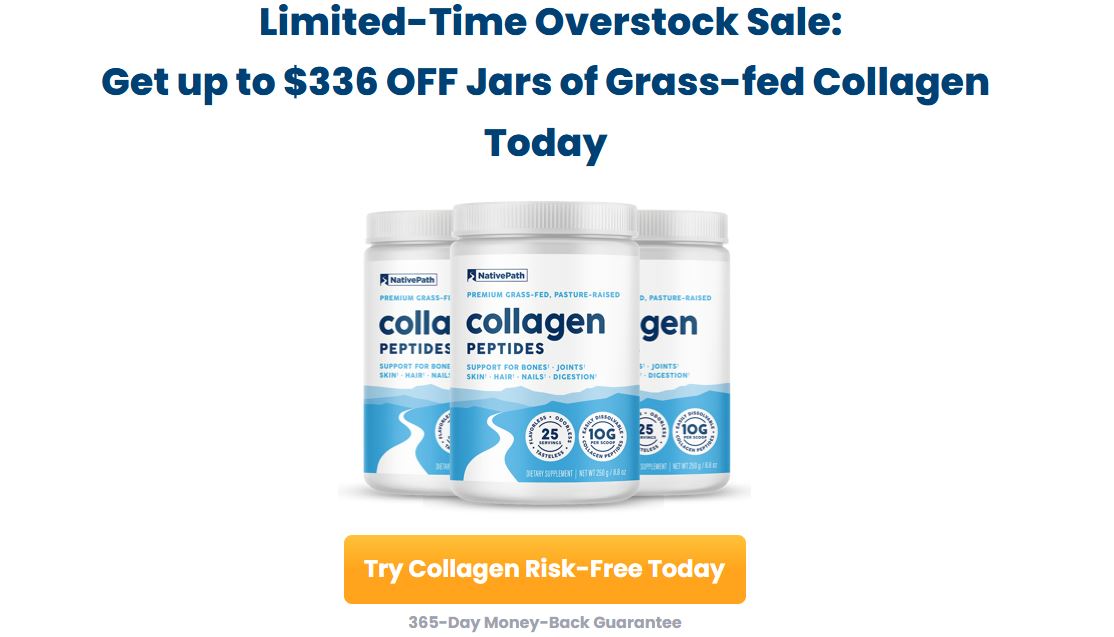
Supplied promotional artwork. The discounts and guarantee shown are not verified as current.
2. What is in the scoop?
The manufacturer’s Original Collagen product information identifies hydrolyzed bovine collagen peptides as its ingredient and describes types I and III collagen. It lists a 10-gram scoop providing 9 grams of protein and 40 calories. Those details apply to the referenced Original Collagen product, not automatically to flavored blends or other supplements. Check the nutrition panel on the version you buy, particularly if you monitor protein intake, calories, or ingredients for a health-related reason. A serving on one container should not be assumed to match every container.
The word hydrolyzed means the collagen has been broken into smaller fragments. In a practical kitchen setting, that helps explain why peptides are sold as a mixable powder rather than a conventional gelatin ingredient. It does not mean every drink will mix perfectly under every condition. Temperature, the amount of liquid, and how you stir can affect the experience. Unflavored also means no added flavor is intended, not that every person will perceive absolutely no taste or texture.
Bovine sourcing means the ingredient comes from cattle. It is therefore not vegan or vegetarian. Anyone avoiding animal products for ethical, religious, or dietary reasons should consider that before comparing price or convenience. Similarly, marketing descriptions such as grass-fed and pasture-raised concern sourcing; they are not proof of superior clinical outcomes. Ask specific questions about testing and traceability when these factors are important to you, rather than treating an attractive label as a substitute for meaningful documentation.
3. Collagen research: promise with perspective
Collagen supplementation has attracted attention because some studies report improvements in measures such as skin hydration or elasticity. Other research explores joint symptoms and bone-related outcomes. Harvard Health and Cleveland Clinic both discuss the interest in these findings while emphasizing important limitations. Results from a study using one formula, dose, population, and duration cannot automatically be transferred to every collagen product. A possible benefit is not the same as a predictable result for an individual person, and research into collagen in general is not a clinical endorsement of this particular jar.
Study quality deserves as much attention as a headline. Small participant numbers, short follow-up periods, differences between formulas, and commercial funding can affect how confidently a result should be interpreted. Look for independent replication and clinically meaningful changes, not just enthusiastic summaries. A photograph, customer story, or star rating can describe someone’s experience, but it cannot isolate the effect of collagen from other changes in that person’s routine. Improved sleep, different meals, skincare, or exercise may all happen at the same time.
Avoid treating collagen as a cure for arthritis, osteoporosis, hair loss, or persistent pain. Those concerns need appropriate assessment, and delaying care can be more consequential than choosing the wrong supplement. Evidence also does not justify claiming that everyone will grow thicker hair or erase wrinkles. If you decide to try a product, define a modest personal goal and keep expectations realistic. Your experience can inform whether you enjoy using it, but it cannot prove that a medical problem has improved without suitable evaluation.
4. Where collagen fits in a balanced diet
Although collagen contributes protein, it is not a complete protein source because it lacks tryptophan. It should not replace the varied protein foods needed to support overall nutrition. Depending on your preferences and needs, those foods might include eggs, fish, dairy, poultry, soy, beans, or other combinations of plant foods. Think of collagen as an optional addition, not the center of the plate. If you need help meeting protein requirements because of age, illness, or training, a qualified dietitian can offer advice that considers your whole diet.
Your body also needs a range of nutrients to maintain connective tissue. Vitamin C plays a role in collagen synthesis, and ordinary foods such as citrus fruit, peppers, and other produce can contribute to your intake. This does not mean you need to add a separate vitamin supplement whenever you use collagen. More is not automatically better. A varied eating pattern, enough total food, and a sustainable routine usually offer a stronger foundation than collecting products that each promise to fill an imagined gap.
Lifestyle remains relevant too. Movement, sleep, and protecting skin from excessive sun exposure are not replaced by a scoop of powder. Smoking and other health factors can also influence the outcomes people often associate with collagen. Rather than asking one product to accomplish everything, consider which basic habits are already working and where you actually need support. A supplement is most thoughtfully chosen when it has a clear place in that wider picture and does not create unnecessary expense or distract from needed care.
5. Making a practical daily routine
If you choose to use Native Path Collagen Powder, begin with the directions on your current label. Select a drink or food you already enjoy so the new habit does not require a complete change to your day. Coffee, smoothies, and other suitable liquids are common options for unflavored peptides. Use the suggested amount rather than assuming several scoops must work better. If a clinician has advised you about protein or supplements, that advice should take priority over a general routine described on a website.
Mixing can be approached simply: measure the serving, add it to enough liquid, and stir thoroughly. If clumping occurs, try adding the powder gradually or mixing a small amount of liquid first before adding the rest, provided that this fits the label’s directions. A frother may be convenient, but it is not essential equipment for everyone. Be mindful of hot liquids and avoid overfilling a vessel. In smoothies, the texture of other ingredients may make the powder easier to incorporate than in a clear drink.
Consistency is useful for understanding whether a routine suits you, but there is no universal timeline for a noticeable benefit. Keep a simple record of how often you use the product, how well you tolerate it, and whether the cost feels worthwhile. Do not interpret every daily fluctuation in skin or joint comfort as an effect of the supplement. Stop and seek appropriate advice if you experience a concerning reaction. The aim is a manageable personal choice, not a challenge that requires you to ignore discomfort.
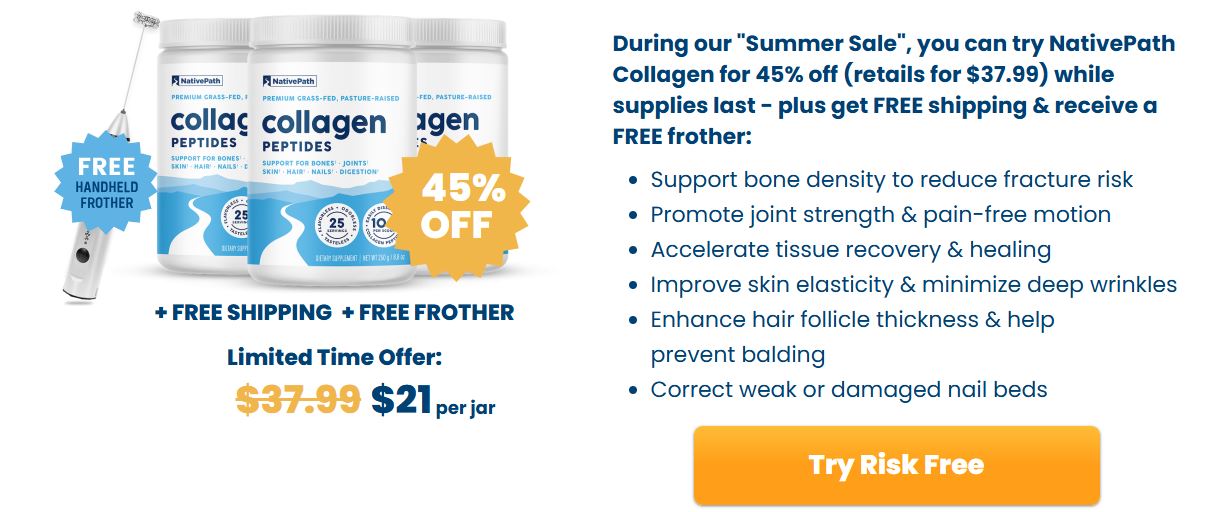
Historical promotional material, not evidence of health outcomes. Specific medical claims in this image are not endorsed by this guide.
6. Safety questions worth asking first
A supplement can deserve caution even when its ingredient list is short. Review the source of the collagen and any allergy or manufacturing information on the package. People with food allergies should not assume an online claim about purity resolves every risk. Ask the manufacturer specific questions when the label is unclear. If you are pregnant, breastfeeding, taking medication, managing kidney disease, or following a medically prescribed diet, discuss supplementation with a qualified healthcare professional before starting. Individual circumstances can change whether a product is appropriate.
Do not take a supplement in place of investigating unexplained symptoms. Persistent joint pain, sudden changes in hair growth, or a suspected nutritional deficiency can have multiple causes. A professional assessment is more useful than guessing based on marketing. Also remember that supplements are not evaluated in the same way as medicines for treating disease. Availability on a website does not mean a regulator has confirmed every claim on that page or that the product has been independently proven to work for your intended purpose.
Storage and handling are part of a sensible routine. Follow the container’s instructions, check its expiry information, and use a clean, dry scoop. Keep the product away from children and avoid transferring it into an unlabeled container that makes the serving directions easy to forget. If the seal, packaging, smell, or appearance seems unusual, contact the seller or manufacturer rather than continuing automatically. Basic checks like these are less glamorous than wellness promises, but they are valuable when using any powdered supplement regularly.
7. Comparing value without chasing a discount
The best way to compare offers is to calculate what you are actually buying. Consider the total price, the quantity of powder, the labeled servings, shipping, and any recurring charges. A lower per-jar price can still require a larger upfront commitment. A large bundle may be poor value if you have never tried the product, do not tolerate it, or cannot reasonably use it before the stated expiry. Compare like-for-like products, because similar-looking containers may have different sizes or ingredients.
Treat older promotional images as illustrations, not live price quotes. The images supplied for this website include different prices, discounts, gifts, and a money-back guarantee. These details have not been verified as current. Before placing an order, read the seller’s actual checkout page and refund policy. Check whether a guarantee covers opened products, whether return postage is your responsibility, and how long you have to make a claim. Do not assume that an advertised promise from one source applies to a different website.
There is a particularly important link disclosure here: the site owner supplied https://tap2experts.com/purieasyfoodcleaner/ for the four offer buttons. That address concerns a food-cleaner offer and is not a verified NativePath collagen checkout. This guide cannot confirm that it sells collagen. Check the product identity and seller before entering payment details, and leave if the offer is not what you intended. An educational page about collagen should never be taken as verification of an unrelated external seller or its terms.
8. A thoughtful next step
Native Path Collagen Powder may appeal to someone who wants an uncomplicated way to add bovine collagen peptides to a familiar routine. The strongest reasons to consider it are practical: a clearly identified ingredient, a format you enjoy using, and a price that fits your budget. Those reasons should sit alongside realistic expectations about the research. Not everyone needs a collagen supplement, and choosing not to use one is entirely compatible with caring for your skin, supporting an active life, and eating well.
Before deciding, return to three questions: What is on the current label? What outcome do I reasonably expect? Can I verify the seller and the complete cost? If any answer is unclear, pause rather than letting a discount or countdown make the decision for you. Use reliable health information and professional guidance where needed. A well-informed wellness routine is built from small, sustainable choices—and the confidence to distinguish an optional supplement from the everyday foundations that matter most.
It can also help to review your decision after a reasonable period rather than purchasing a large supply automatically. Ask whether you still enjoy the routine, whether you have noticed any unwanted effects, and whether the expense remains comfortable. There is no obligation to continue simply because a product is popular. Bring questions about symptoms or nutrition to a professional who understands your circumstances. Keep the packaging and purchase information so you can identify the exact product when seeking advice. Ultimately, the useful habit is not buying more supplements; it is making careful choices that remain appropriate as your needs change over time.
Sources & further reading
Product specifications are attributed to the manufacturer. Independent health sources provide context on collagen research and its limitations; they do not endorse this website or its external offers.
NativePath — Original Collagen Peptides product and ingredient informationHarvard Health — Do collagen supplements fulfill their promises?Harvard Health — Think twice about taking collagen pills or consuming collagen drinksCleveland Clinic — Collagen supplements: what you should know